What is the Best Night Light for Toddlers Who are Afraid of the Dark?
Bedtime can be a challenging time for parents of toddlers who fear the dark. That sudden anxiety when the lights go out is completely normal—it's a developmental milestone that most children experience between ages two and four. The good news? The right night light can transform your child's bedroom into a safe, comforting space where sleep comes naturally. Let's explore what makes an effective night light and how to choose the perfect one for your little one.
Why Toddlers Fear the Dark
Around age two, children's imaginations begin to flourish, but their ability to distinguish between reality and imagination lags behind. Shadows become monsters, and darkness feels like an endless void. This fear isn't something to dismiss—it's a sign of cognitive development. Understanding this helps parents respond with patience and the right tools.
A quality night light addresses this fear by providing consistent, gentle illumination that reassures your child they're safe. It's not about flooding the room with light; it's about creating a sense of security and control.
What Makes a Great Night Light for Toddlers?
Warm, Soft Lighting
The best night lights emit warm light that mimics the natural glow of sunset. Look for warm color temperatures around 2700K or lower. This type of lighting supports melatonin production—the hormone that regulates sleep—while providing enough visibility to ease anxiety. Avoid bright whites or cool blues, which can interfere with sleep quality.
Adjustable Brightness
Every child has different comfort levels. A night light with adjustable brightness lets you customize the intensity to match your toddler's needs. You might start brighter and gradually dim it over weeks as your child becomes more confident in the dark.
Safety First
Choose lights that stay cool to the touch, contain no small detachable parts, and are made from non-toxic materials. The device should be sturdy enough to withstand curious toddler hands and won't tip over easily. LED lights are ideal because they generate minimal heat.
Thoughtful Design
A night light shaped like a friendly animal or character can become a comforting "sleep companion." This transforms the light from a mere tool into an emotional support object that your child looks forward to at bedtime.
Finding Your Perfect Match
At CozZy Glow, we've designed our night lights with both children and parents in mind. Here are three options that naturally fit different preferences and needs.
For the Animal Lover
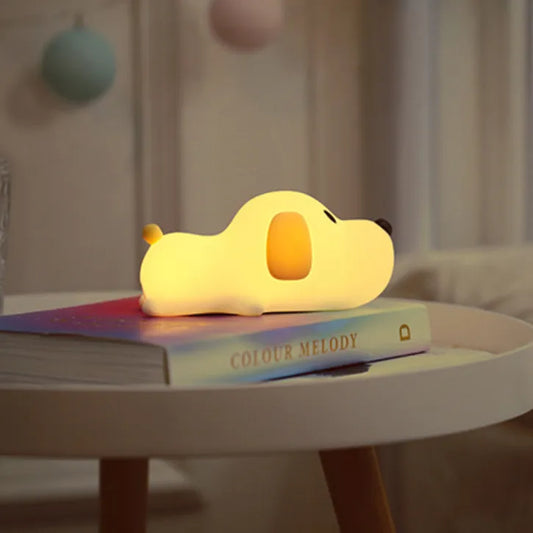
The Nosey Puppy Cute LED Night Light Lamp brings warmth and personality to any nursery. Its adorable puppy design appeals to toddlers who love animals, making bedtime feel less scary and more like having a friendly companion in the room. The soft LED glow creates a calming atmosphere without being overstimulating, and the cool-to-touch exterior ensures safety for little hands.

For the Playful Spirit
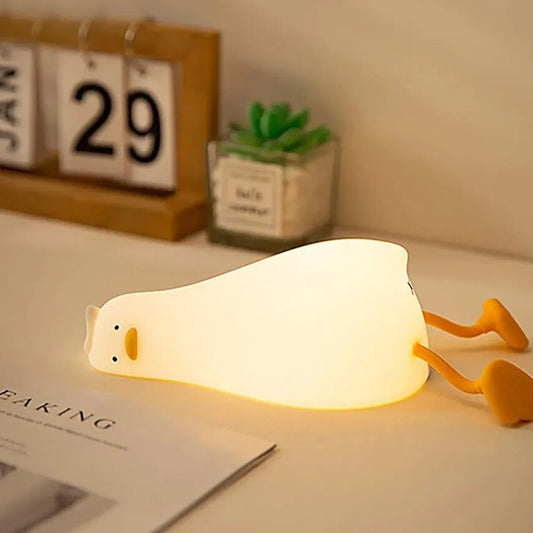
If your toddler has a playful personality, the Cozzy Kicker Cute LED Night Light Lamp offers charm and reliability. Its engaging design captures children's imaginations while the gentle light provides the security they need. The sturdy construction means it can handle the wear and tear of a toddler's room, and parents appreciate its simple, effective approach to nighttime comfort.
Each of these lights is designed to be more than just functional—they're meant to become part of your child's bedtime ritual, a visual cue that signals it's time to wind down and feel safe.

Creating a Bedtime Routine That Works
A night light is most effective when paired with a consistent bedtime routine. Here's how to introduce it successfully:
Make It Special
Let your toddler help choose their night light or give it a special name. This sense of ownership reduces anxiety and builds excitement around bedtime. You might say, "This is your sleep friend who will keep you safe all night."
Start Gradually
Begin with the light at a moderate brightness level. Over several nights, you can gradually adjust it lower as your child becomes more comfortable. This gradual approach teaches them that darkness isn't dangerous—it's just a different kind of safe.
Use Positive Reinforcement
Praise your toddler for being brave. Comments like "You're so brave sleeping with your light on" or "Your sleep friend is helping you feel safe" reinforce positive associations with bedtime.
Keep It Consistent
Use the same routine every night. Turning on the night light becomes a signal that sleep time is approaching, which helps regulate your child's internal clock.
Beyond the Night Light
While a quality night light is powerful, it works best as part of a comprehensive approach to managing fear of the dark. Maintain a calming bedtime routine that includes reading stories, avoiding screens 30 minutes before bed, and keeping the room at a comfortable temperature.
Some children benefit from having a comfort object—a stuffed animal or soft blanket—alongside their night light. Others respond well to knowing you're nearby; leaving the door slightly ajar so they can hear you can provide additional reassurance.
Avoid scary content before bed, and if your child mentions nightmares or fears, listen without dismissing their concerns. Validation helps them feel understood and supported.
When to Expect Progress
Most toddlers begin to outgrow fear of the dark between ages four and six, though every child develops at their own pace. With the right support—including a comforting night light—you'll likely notice improvements within a few weeks. Some children become so attached to their night light that you can gradually reduce its brightness over time until they're comfortable without it.
The goal isn't to eliminate the light overnight; it's to build your child's confidence and sense of security so that eventually, they won't need it anymore.
Conclusion
The best night light for your toddler is one that combines safety, comfort, and a design that resonates with your child's personality. Whether you choose the friendly Nosey Puppy or the playful Cozzy Kicker, you're investing in more than just a light—you're creating a foundation for better sleep and greater confidence.
Bedtime doesn't have to be a battle. With patience, consistency, and the right tools, you can help your toddler move from fear to comfort, transforming those dark hours into peaceful, restful sleep for your entire family.